
Quilting with batik fabric: tips, tricks & common mistakes to avoid
If you’ve ever admired a quilt made with batik fabric, you know how rich and beautiful those colors can be. Batiks add depth, texture, and movement that’s hard to get from traditional printed quilting cottons. If you’re new to working with batiks, you may have questions about how they behave. If you’ve ever struggled with batiks—stiff fabric, unexpected dye bleed, or difficult stitching—you’re not alone.
Batiks are wonderful to quilt with, but they do behave a little differently. Today I’m sharing my best tips for quilting with batik fabric, along with common mistakes to avoid, so you can enjoy the process just as much as the finished quilt.
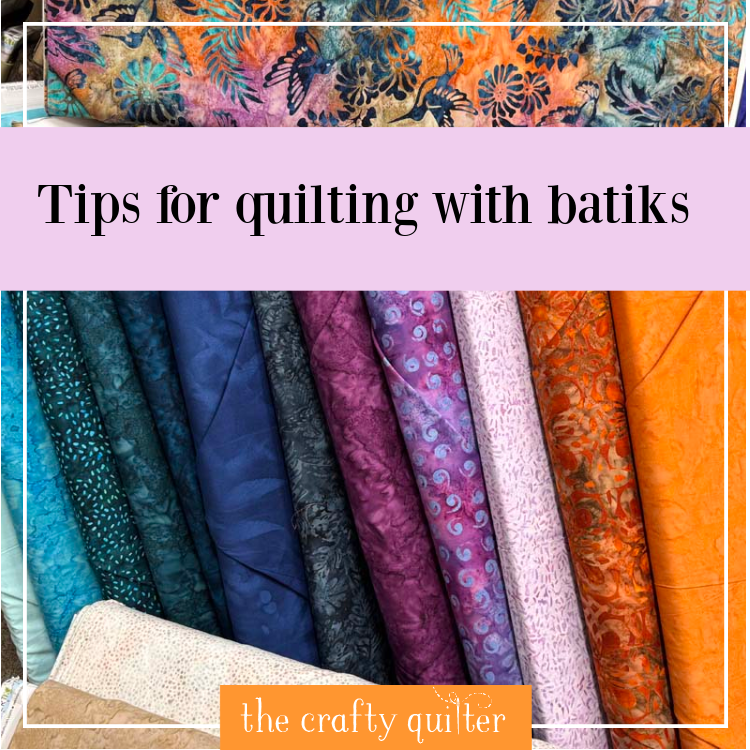
What is batik fabric?
Batik fabric is made using a wax-resist dyeing process. Instead of printing designs on the surface, the fabric is dyed in layers, often by hand. Because of this process:
- The color goes all the way through the fabric.
- There is no true “right” or “wrong” side.
- The weave is usually tighter than standard quilting cotton.
That tighter weave is part of what gives batiks their crisp look—but it’s also why they can feel stiffer and behave differently at the cutting and sewing table.
This video (below) from Riley Blake Designs offers a good visual representation of the batik making process.
Advantages of using batik fabric in a quilt
There are many things I love about batiks especially when combined with quilting. The advantages include:
- Gorgeous saturation of color
- There is no right or wrong side
- Very little stretch
- They don’t fray
- Crisp and flat seams
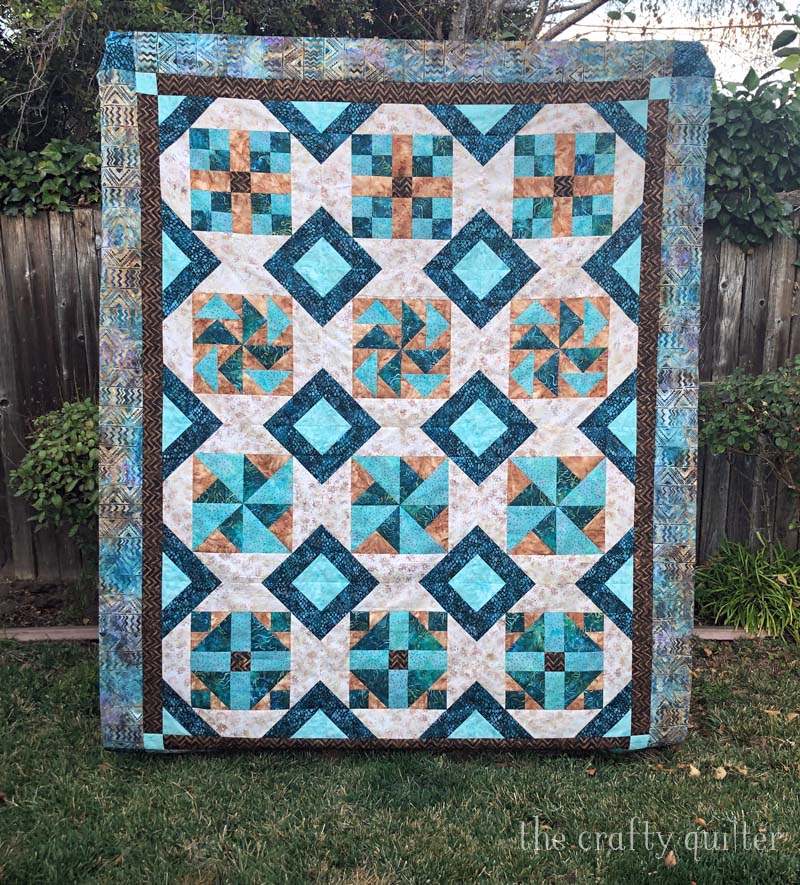
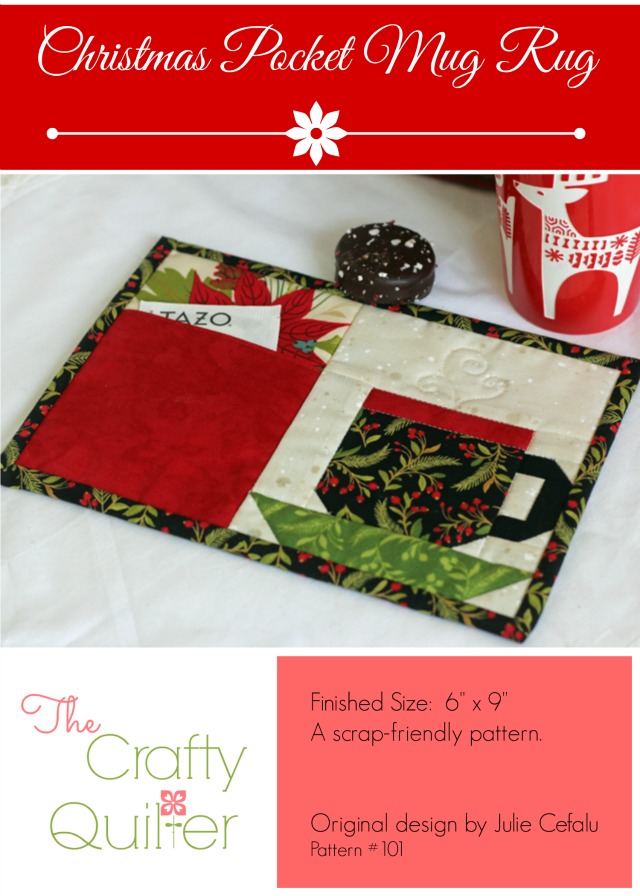
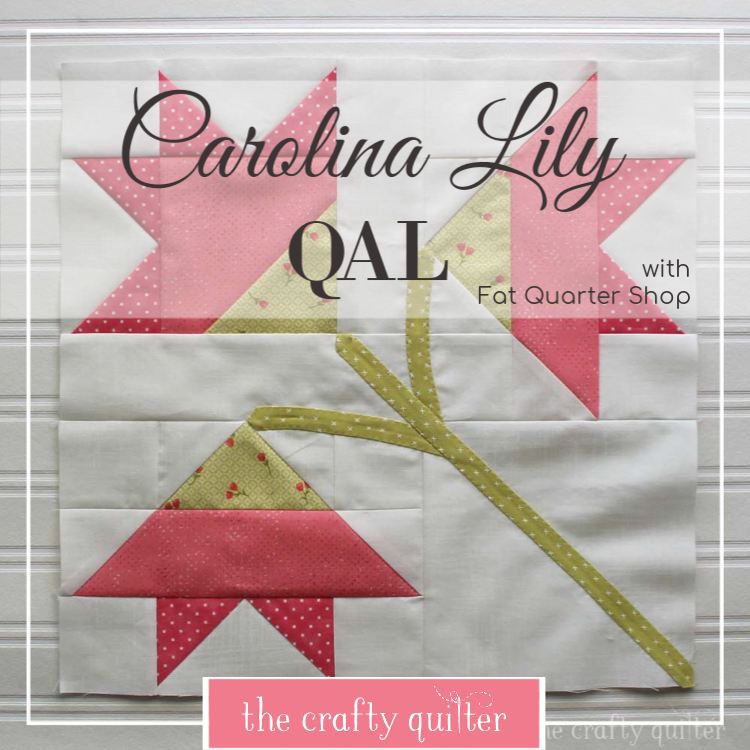
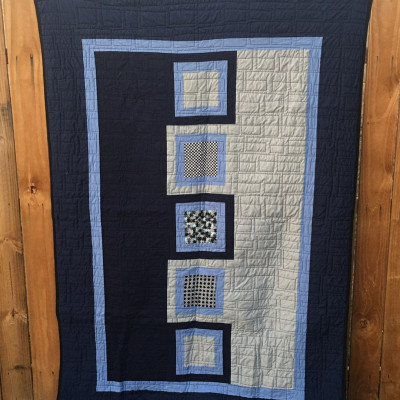
Below, you can see a few quilts and current quilt blocks that I’ve made using batiks.

Disadvantages of using batik fabric in a quilt
As they say, the most beautiful rose comes with thorns. Fortunately there aren’t too many thorns when working with batiks, but there are a few disadvantages:
- Risk of colors bleeding.
- May be difficult to find light and/or subtle hues.
- Their color/style profile might not suit every quilt project.
- May not feel as soft as regular cotton.
- Difficult for hand quilting because of the tighter weave.
Should you prewash batik fabric?
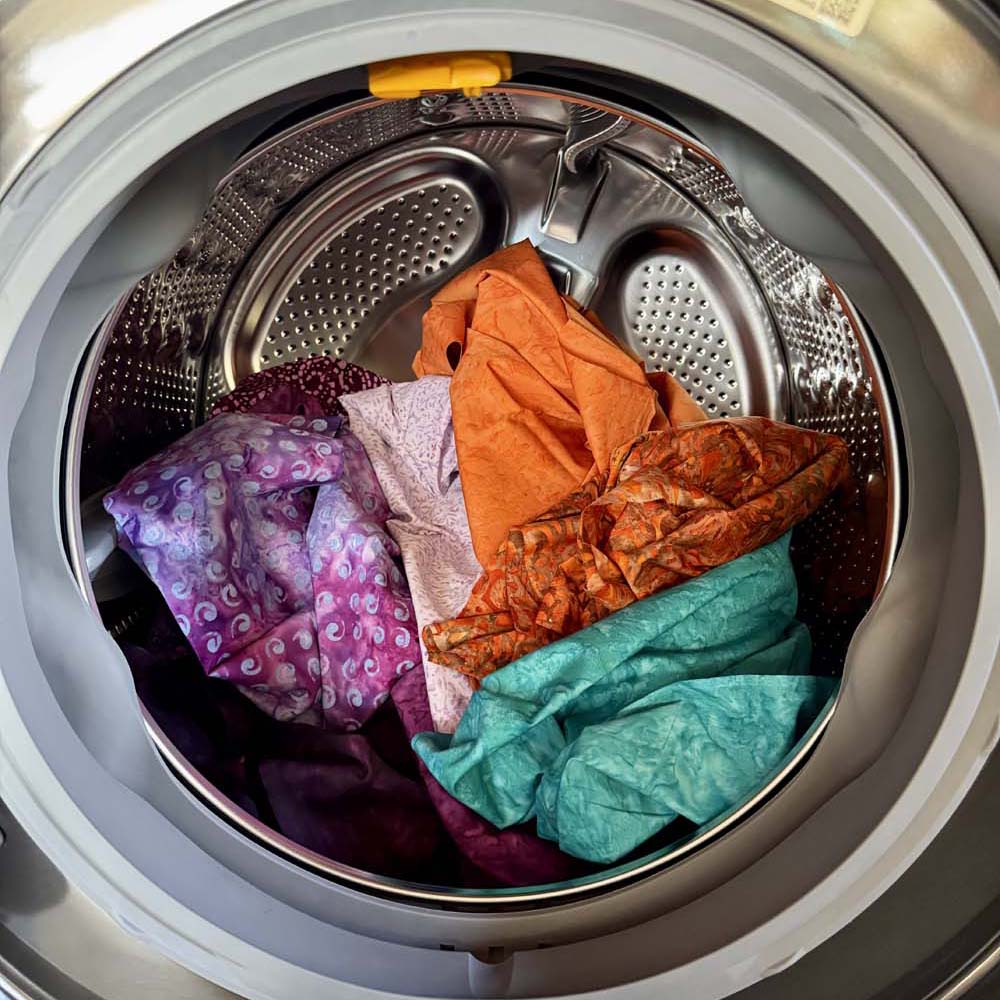
This is one of the most common questions quilters ask! I’m not a prewasher, in general; but now that I’ve started working with batiks again, I find it a smart investment of my time to wash them before working them into a quilt.
Reasons to prewash batiks
- Batiks are heavily dyed and can bleed, especially dark reds, blues, and purples
- Prewashing softens the fabric
- You’ll remove excess dye before it reaches your quilt top
Reasons you might skip prewashing
- It’s an additional step that you’d rather skip if possible.
- Some quilters prefer the stiffness for easier piecing
My recommendation
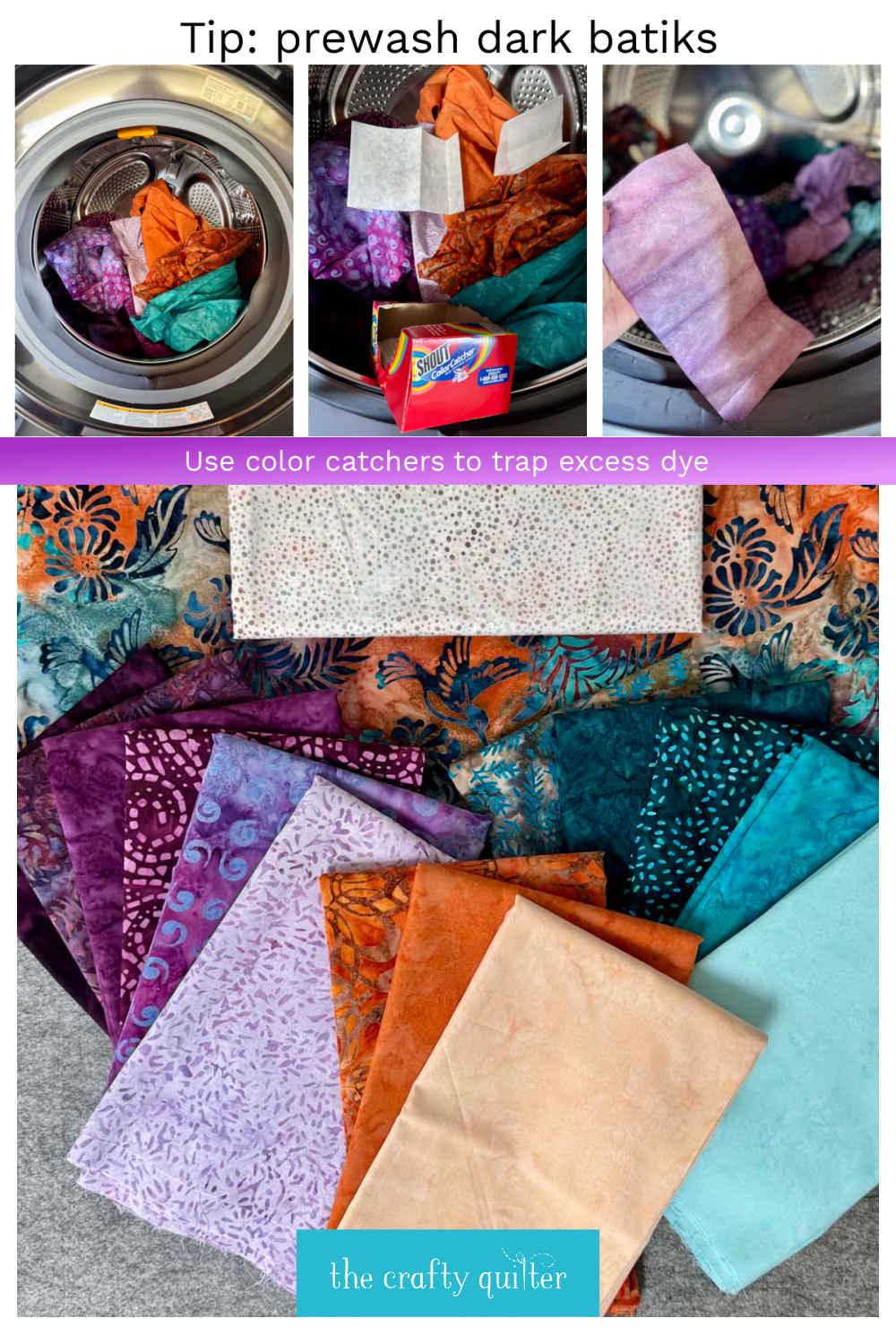
If you’re using deep red/purple/blue batiks and your quilt includes light fabrics or backgrounds, I strongly recommend prewashing your batiks. Wash them separately in warm water and use color catchers or Synthrapol to suspend loose dyes and prevent bleeding. If you’re unsure, always test a small piece first—it’s worth the peace of mind.
For tips on fabric bleeding (after the quilt is made) check out this blog post.
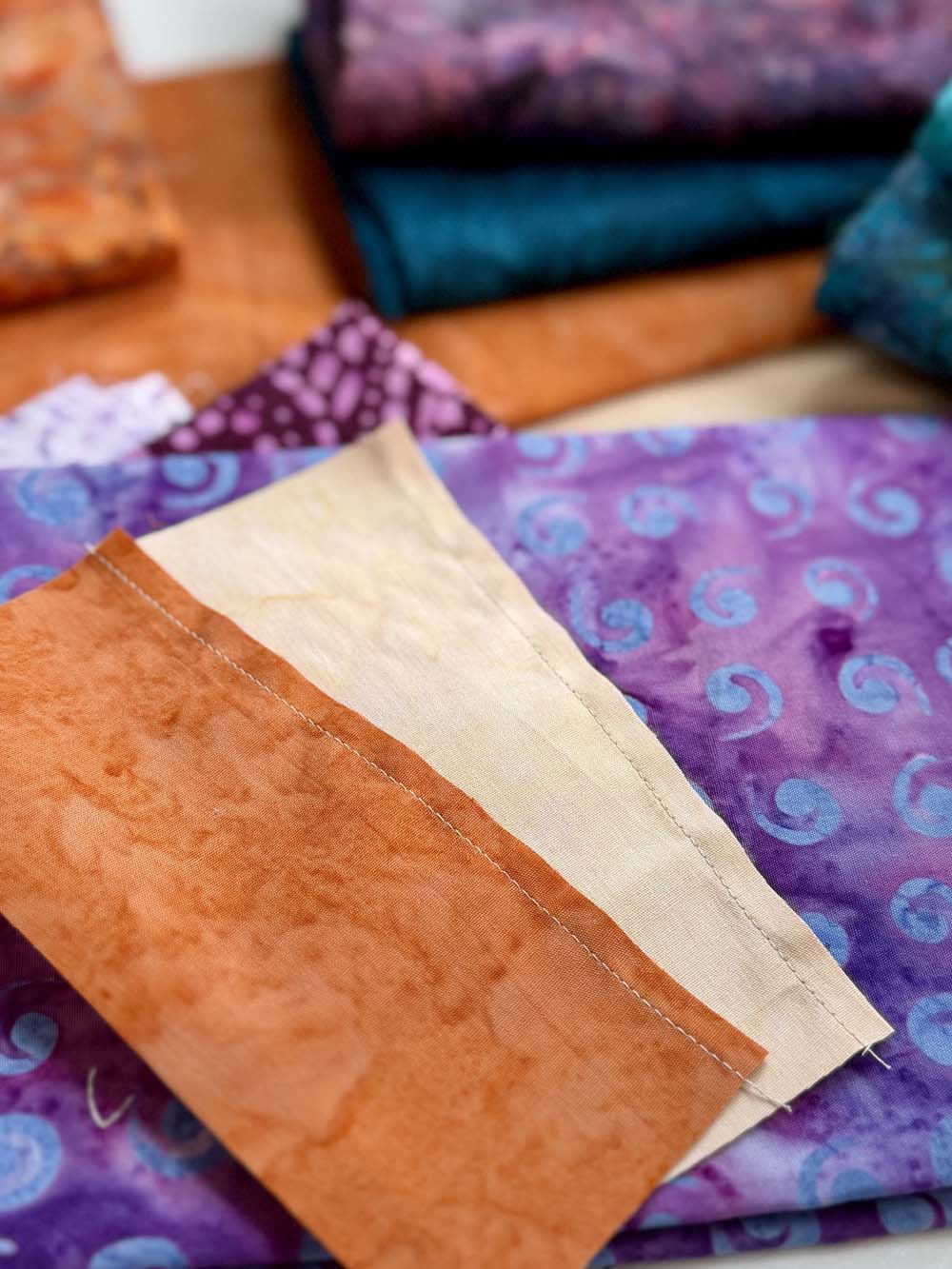
I recently started a new quilt project using all batik fabric. The colors range from deep purple, teal blue and orange along with a light background fabric. I prewashed the dark color batiks and used two Shout Color Catchers (available at most supermarkets). The color catchers turned purple, so they worked to trap the excess dye that was in the water.
Cutting tips for batik fabric
Because batiks are tightly woven, cutting accuracy really matters.
- Use a sharp rotary blade (batiks can dull blades faster).
- Press fabric flat before cutting.
- Use spray starch when pressing (especially if you’ve prewashed) to give the fabric extra stability for more precise cuts.
Sewing with batik fabric: what works best
Batiks sew beautifully once you make a few small adjustments.
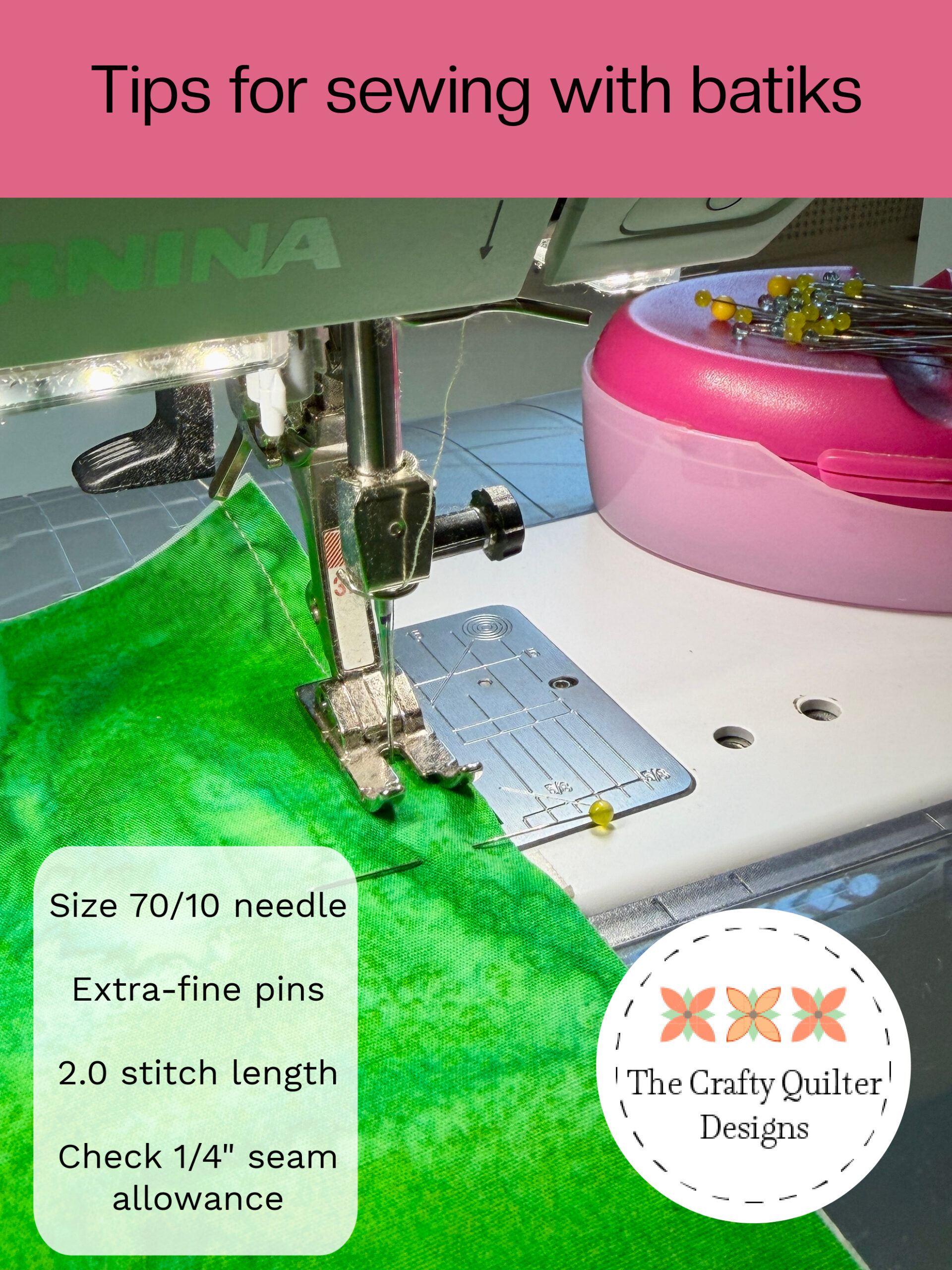
- Use a size 70/10 Microtex sharp needle. Because batik fabric has such a tight weave, a sharp and finer needle is preferred.
- Extra fine pins glide easily through batiks. My favorite is Clover extra fine patchwork pins.
- Check your tension. The stitches should be even and flat with no puckering.
- Check your 1/4″ seam allowance and adjust if needed. Because batiks have a slightly flatter “hand”, it may change the size of your final seam (especially if you’re using a scant 1/4″).
- Use high-quality cotton or polyester thread. Aurifil 50 wt. 2 ply cotton thread is my favorite.
Once you dial in your machine settings, batiks are very consistent and rewarding to work with.
Pressing batik fabric without problems
Batiks love to hold a crease, which is great—but it also means careful pressing matters.
- Press, don’t iron (lift and place the iron)
- Use a cotton heat setting
- Set seams by pressing them flat before pressing open or to the side
- Steam isn’t necessary unless trying to release a wrinkle

FAQ’s about working with batiks
Q: Can you mix batik and regular cotton fabric?
A: Yes, batiks can be great additions to a collection of cotton fabric. They can act as blenders, backgrounds or feature fabrics. Make sure to keep the following in mind:
- Make sure you’ve checked the batik fabric for bleeding before combining with cotton.
- Prewash all fabric so that shrinkage is uniform throughout.
- Check the machine tension and adjust if necessary.
Q: Do batiks shrink?
A: No, there is little to no shrinkage with batik fabric. Because the dye process includes a series of rinsing in hot water, any shrinkage has already occurred by the time it’s ready to purchase.
Q: What quilt patterns work well with batiks?
A: Batik fabric really shines when the pattern allows the color and texture to do the work. If you have a pattern with intricate piecing, batiks will work in your favor. They’re also wonderful to use for raw edge applique projects because they fray very little. Other great pattern choices include:
- Geometric and modern designs
- Log cabin and strip quilts
- Landscape quilts
- Bags and pouches
- Tone-on-tone backgrounds
- Applique quilts
Q: When should I avoid using batiks?
A: There may be a few instances when batik fabric isn’t a good fit.
- Quilts with curved piecing may be more difficult because there is no “give” to the fabric.
- Hand applique or hand quilting will require patience since batiks are tightly woven.
- When combined with delicate fabrics, such as a sheer weight cotton.
- Risk of bleeding is too great.
Common mistakes quilters make with batik fabric
If you’ve struggled with batiks before, one of these might be why:
- Skipping color bleed tests
- Using dull blades or needles
- Using an incorrect size machine needle and pins
- Over-pressing with steam
- Treating batiks exactly like printed cotton
A few small changes can make a big difference.
Final Thoughts
Batik fabric is absolutely worth quilting with. It’s durable, vibrant, and adds incredible depth to quilts of all styles. If you’re new to batiks, start with a small project and give yourself permission to experiment.
Once you understand how batiks behave, they become a joy to use—and many quilters end up reaching for them again and again.

Discover more from The Crafty Quilter
Subscribe to get the latest posts sent to your email.

Thanks for these tips !! I have always loved the patterns and colors of batiks but also always been very disappointed when I tried to use them! I will be trying some things again 🙂
Thanks for all these great tips for batik. I have been quilting since 1975. Batik wasnt around back then and there are some things I never thought of. I know for sure if u don’t prewash, the dye bleeds all over. You don’t want that over your pieced quilt.
thank you
I have used bowls of fairly hot water to test smaller cuts of batik fabric for bleeding. It will usually show up immediately and I have found about 50% will be fine. Yellow surprisingly is usually one of the bleeders. Synthropol (follow directions on the bottle) works very well and can be done using bowls at the kitchen sink. Rinse thoroughly, dry on low setting.
Excellent article with lots of great information.
Does anyone out there know if you can use Synthrapol in the clothes washer? My bottle just says to soak the items in a water and synthrapol mix, then hang to dry. No info on whether you should rinse the synthrapol out.
Thank you!
Great reminders
Julie, thank you so much for the information. I had no idea about all the color ‘catchers’! Good to know.